How to Prepare for Lot & Land Clearing in Greensboro
Before lot clearing in Greensboro, mark what stays, confirm your property lines, call 811 for underground utilities, and open a clear equipment path. A little prep keeps the job moving.
Published
Part of our Lot & Land Clearing service.
Mark every tree and area you want to keep
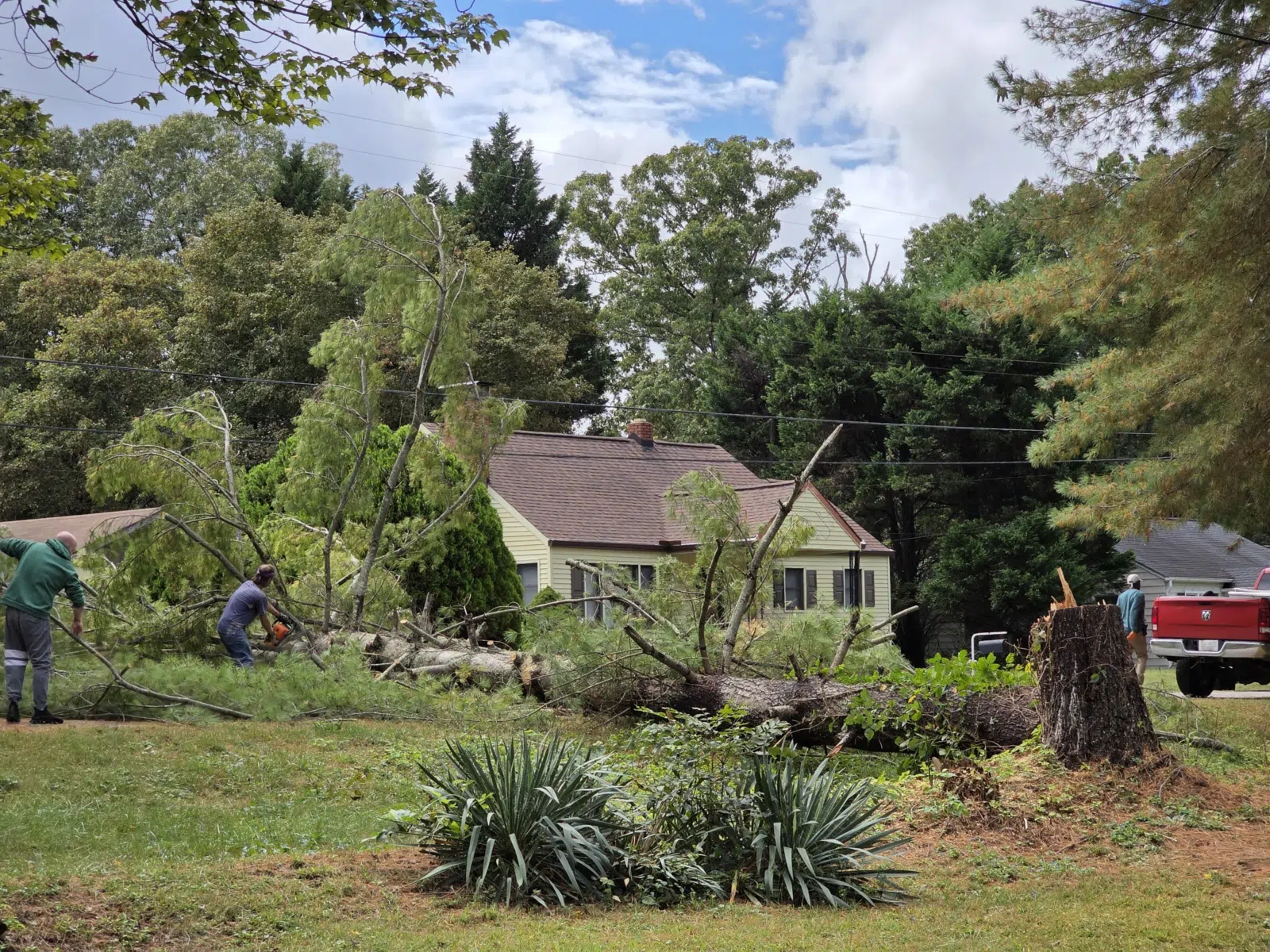
Walk the whole lot before the crew arrives and mark what stays. Tie ribbon or surveyor tape around the trees you want kept, and set a visible boundary around garden beds, play areas, and anything else close to a keep zone. Memory fades fast once a machine starts, and a flag beats an argument after the fact. Your Way Lawn and Tree in Greensboro wrote this guide on how to prepare for lot & land clearing in Greensboro.
Be specific about how much of each zone stays untouched. Some Greensboro owners clear everything except a screen of trees along the back fence line. Others leave one oak for shade and take the rest. Your Way Lawn and Tree works from your markings, so the clearer they are, the closer the finished lot matches the plan you had in mind.
Take photos of the marked lot before work starts. If a question comes up mid-job, a picture of the flagged trunk answers it on the spot instead of stopping the crew to guess.
Confirm your property lines before the first cut
Find your survey pins or a recent plat before any cutting starts. Most lots in Greensboro neighborhoods have iron pins at the corners, often buried a few inches down near the street or a fence line. If you cannot find them, a surveyor can re-stake the line for you.
Clearing over the line is one of the most common and most expensive mistakes on a land clearing job. A neighbor can require removal or replacement of trees taken from their side, even after the job is finished. A few minutes with a plat and a tape measure prevents that.
If a fence sits on or near the line, treat the fence as a hard stop and tell the crew. Work can stop short of it on the neighbor's side, and anything ambiguous waits until the boundary is confirmed.
Call 811 before grinding, digging or grading
North Carolina requires a call to 811 before anyone digs, and land clearing often includes stump grinding, cutting grades, or trenching for drainage. The service marks public gas, water, electric, and communication lines so heavy equipment and grinder teeth stay clear of them.
Call a few working days ahead so the lines get located before the crew arrives. The marks are paint or small flags. Leave every one of them standing until the job is done. A stump can pull a buried line in from farther away than you would expect.
811 covers public utilities only. Well lines, septic lines, sprinkler runs, and buried pet fences are private, and no locate service flags them. Write down every private line you know of before the crew arrives, since you are the one who has to point each one out.
Point out wells, septic fields and private buried lines
A lot of Greensboro properties have their own buried lines that no locate service will flag. Septic tanks and drain fields, well heads and well lines, irrigation runs, and old electric runs to sheds and barns all sit underground with no marking on them.
Find your records, lids, and cleanouts, and mark each one with a stake or spray paint. A stump grinder tooth can cut a septic line two feet down without ever surfacing, which turns a one-day clearing job into a plumbing repair.
Show the crew any wells, springs, or drainage ditches too. Water and heavy tracks do not mix, and keeping equipment out of a wet ditch protects the grading you may want later. Walk the crew past every marked lid, head, and cleanout before the first machine rolls, so the whole team knows where the buried lines run.
Open a clear path for the heavy equipment
Land clearing equipment means an excavator or loader, a skid steer, and a chipper, most of it arriving on a trailer. Measure your gates, walk the driveway, and look up. A low branch over the entrance can turn a simple approach into a separate tree job of its own.
Move vehicles, trailers, toys, and planters out of the staging area before the crew shows up. Clear a spot where the chipper and the log pile can sit without blocking neighbors or traffic. If the only access is a shared drive or a narrow side yard, say so early so the crew can plan around it.
Expect ruts in soft ground after rain. If you care about which path the equipment takes across your lot, flag that path the same way you flagged the keep zones.
Give your neighbors a heads-up before the noise starts
A land clearing day is loud, dusty, and visible from every yard around it. Knock on the doors that share your lot line, tell them the date and roughly what will happen, and ask whether any of their fence, landscaping, or trees sit close enough to worry about.
Shared trees come up often. A canopy does not care where the property line runs, and branches or trunks that cross it can belong partly to both sides. If a tree you want removed leans over a neighbor's yard, settle that before the saw starts, not during.
Neighbors who know the plan tend to tolerate the noise. Neighbors who find out from the sound of a chipper at seven in the morning tend to call someone about it.
Decide what to do with the wood, chips and stumps
Decide before the job starts what you want done with the material that comes down. Hardwood can become firewood if you split and stack it. Chips make decent mulch for natural areas and walking paths, though fresh chips are rough on vegetable beds. Logs nobody wants become the haul-off pile.
Tell the crew your call on each material: keep on site, cut to length, or haul away. Stumps are a separate question. Grinding a stump below grade lets you regrade and seed the spot afterward, while leaving a stump means a hump in the yard and slow decay over several years.
If you plan to build or regrade after the clearing, debris handling matters even more. A pile left for later sits in the way of every machine that comes next.
When to call a pro
Most of the prep above takes an afternoon. The clearing itself is a different story. Large trees near structures, steep or soft ground, dense brush, and full stump removal all call for a crew with the right equipment and real tree work experience to do it safely.
That is what a lot and land clearing service is for. Your Way Lawn and Tree handles lot and land clearing across Greensboro and nearby towns like Summerfield and Oak Ridge, working from your markings, your confirmed boundaries, and your list of what stays and what goes.
Once your prep list is done, the next step is a walk-through of the lot with the crew. Call (336) 338-9057 to set one up, and the job starts from a shared plan instead of a guess.
Ready to move forward? See our Lot & Land Clearing service
Written by the Your Way Lawn and Tree team.
How to Prepare for Lot & Land Clearing in Greensboro FAQs
How far ahead should I prepare before lot clearing?
Start a few days out. Flag what stays, find your boundary pins, and call 811 so lines are located before the crew arrives. Moving vehicles and gear out of the staging area the day before keeps the first hour of the job productive instead of spent working around obstacles.
Can I clear a lot but keep some of the trees?
Yes, and selective clearing is common. Mark every tree you want saved with tape or ribbon and walk the marks with the crew before work starts. A careful crew can clear right up to a keep line without scarring the bark or cutting the roots of the trees you are keeping.
Do I need a permit to clear land in Greensboro?
Some projects in Greensboro and Guilford County touch zoning rules, stormwater controls, or tree protections, and the requirements change from one location to the next. Check with the city or county office before work starts, or ask the crew to flag anything that may need approval during the walk-through.
Can I keep any of the wood and chips after clearing?
Yes, and the call is yours to make before the job starts. Usable hardwood can be cut to length for firewood, chips can stay on site for paths and natural areas, and the rest gets hauled off. Stumps can be ground below grade so the spot can be regraded and seeded afterward.
Still have a question about your property? Talk to us