How to Prepare for Mulching in Greensboro
Prepping for mulching in Greensboro comes down to clearing beds, edging edges, pulling weeds, checking depth, and picking the right mulch. Do these seven things and the mulch holds color and blocks weeds far longer.
Published
Part of our Mulching Services service.
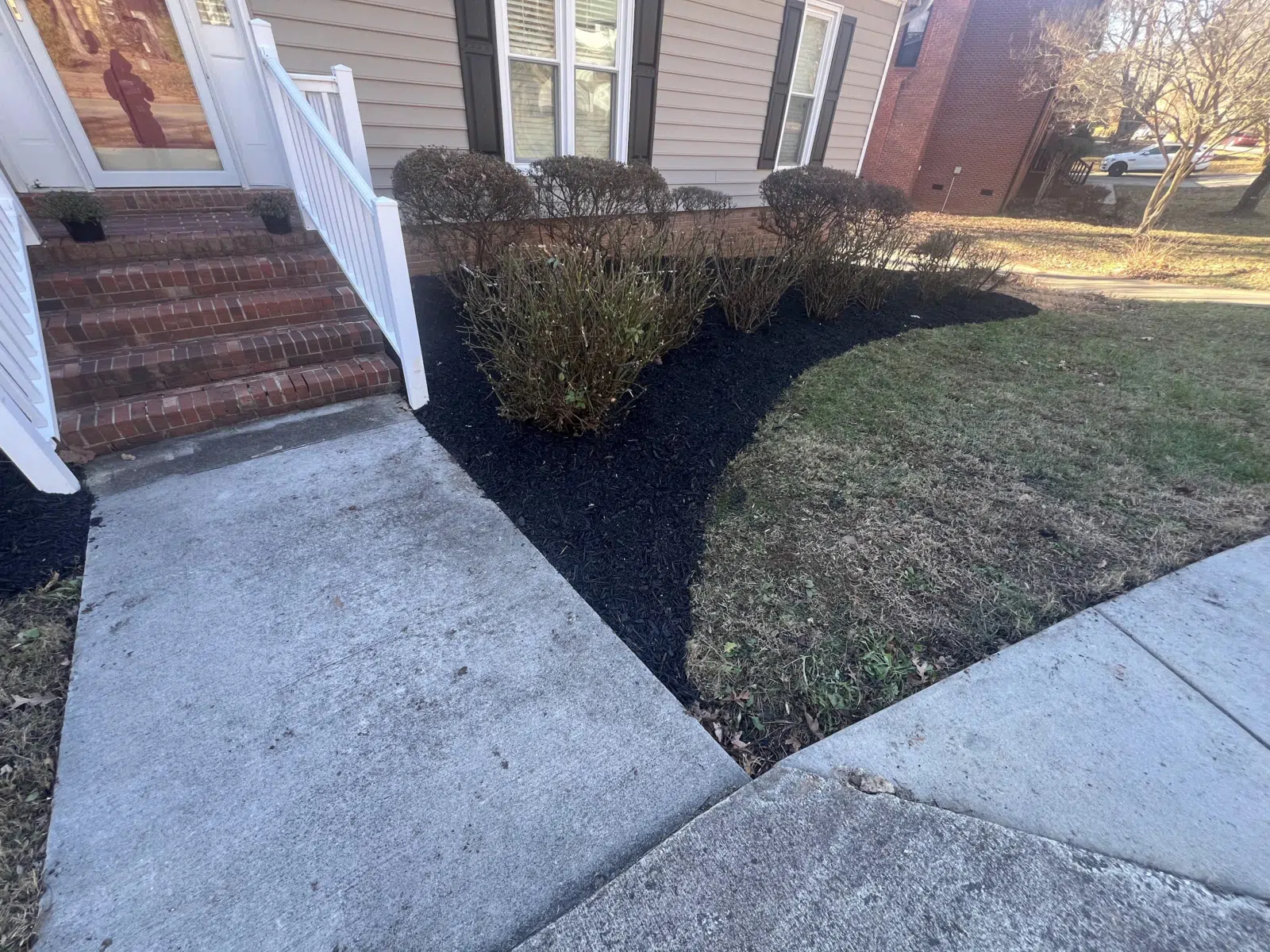
Mistake: Skipping the weed pull before mulch goes down
Mulch smothers small weeds, but it will not kill established ones. Crabgrass, nutsedge, and wild onion in a Greensboro bed will push straight through a fresh layer within weeks. Your Way Lawn and Tree wrote this guide for customers in Greensboro.
Pull every visible weed by the root, or treat stubborn patches a week or two ahead so the plant is dying before mulch covers it. If a bed is badly overgrown, clearing it first saves money, because paying to spread mulch over live weeds means paying again to fix it soon after. Walk each bed slowly and look low, since a surprising number of weeds hide under shrub canopies where nobody looks.
Mistake: Mulching over last year's thick layer
More is not better. When old mulch piles up past about three inches, it packs down, sheds water instead of absorbing it, and can smother the root flare of shrubs and trees.
Rake or remove the tired layer before spreading new material, especially in beds that have been topped up for several seasons. Sometimes the old mulch only needs breaking up and turning so the new layer goes over loose, breathing ground. Check depth before you order, since the amount you need depends on what is already there. A screwdriver pushed into the bed tells you quickly whether the layer is thin and workable or thick and matted.
Mistake: Leaving a hard edge between bed and lawn
Without a defined edge, mulch drifts into the grass with every rain and every mow. By midsummer the crisp bed line in front of a Greensboro home has gone soft and ragged.
Cut a clean edge along beds with a spade or a bed-edging tool, two to three inches deep, before mulch arrives. That small trench holds mulch in place and makes weekly mowing simpler. If you already have a professional mowing plan, edging is usually part of the visit, and it pays to have it fresh the same day mulch goes down so the new material locks against a sharp line.
Mistake: Piling mulch against trunks and stems
Mulch volcanoes are the most common bed problem we see. Heaping material against a tree trunk or shrub stem traps moisture against the bark and invites rot, insects, and girdling roots.
Keep mulch a few inches back from every trunk so the root flare stays visible and dry. Spread it flat, not mounded, out toward the drip line where the feeder roots actually benefit. This one habit protects trees that took decades to grow, and it costs nothing except a minute of care at each plant. Check young trees especially, since their thin bark damages faster than mature bark.
Mistake: Choosing mulch material without thinking it through
Hardwood, dyed brown or black, pine bark, and pine needles all behave differently. Dyed mulch holds color longest in sunny front beds. Shredded hardwood knits together and stays put on slopes. Pine needles suit natural areas and acid-loving plants.
Match the material to the spot: color and lifespan for entry beds, erosion control for banks, texture for woodland edges. Also decide on depth, usually two to three inches. Too thin lets weeds through; too thick sheds water. If you are unsure what fits your yard, a mulching crew can walk the beds with you and recommend material per area before anything is ordered or delivered.
Mistake: Forgetting to clear the delivery path
Crews, wheelbarrows, and sometimes a dump trailer need access. Locked gates, parked cars, low branches over a walkway, and dog toys scattered across the route all slow the job down and can leave a half-finished bed at day's end.
Before mulch day in Greensboro, open gates, move vehicles off the drive, and note anything fragile along the path such as irrigation heads or landscape lighting. Trim back any low-hanging limbs over the walkway so barrows pass without snagging. A five-minute walk of the route the night before keeps the visit quick and keeps the cleanup clean.
Mistake: Spreading mulch at the wrong point in the yard's schedule
Timing matters less than people think, but order does. Mulch after weeds are pulled, after edging, and after any shrub trimming so debris falls on bare ground instead of fresh mulch.
In Greensboro, spring is the busiest mulch season, with a second round common in fall to insulate roots before winter. If your beds also need leaf cleanup first, handle that before spreading, or the mulch seals leaves underneath where they mat down and hold moisture against the soil. One walkthrough of the beds tells you which tasks come first, and doing them in the right sequence means the finished bed stays tidy instead of needing a redo within weeks.
Quick checks before the crew arrives
Run this short checklist the day before mulching:
- Beds are weed-free, roots pulled.
- Edges are cut and defined.
- Old mulch is raked or depth is under three inches.
- Trunks and stems have clear space around them.
- Gates are open and the delivery path is clear.
- Irrigation heads and lighting are marked or noted.
Go through the list bed by bed rather than from the driveway, since the bed you see least often is usually the one that needs the most work. If most boxes are unchecked and the whole job feels like a Saturday you do not have, hand the prep off to a crew that does this every week.
When to call a pro
Bring in help when beds are badly overgrown, when old mulch needs hauling off, or when you simply want the whole job done in one visit. Your Way Lawn and Tree handles mulching across Greensboro, High Point, and Kernersville, including prep, edging, spreading, and full cleanup so beds look finished the same day.
We can combine mulching with shrub trimming or a seasonal yard cleanup if the beds need more than mulch. Tell us the square footage or just point us at the beds and we will figure the amount. Reach out through the Mulching Services page or call (336) 338-9057 to get on the schedule.
Ready to move forward? See our Mulching Services service
Written by the Your Way Lawn and Tree team.
How to Prepare for Mulching in Greensboro FAQs
How much mulch do my beds need?
The square footage of each bed and the depth you want set the total, usually two to three inches deep. A rough way to estimate is one cubic yard covers about a hundred square feet at three inches, but irregular beds and existing mulch depth change the number. Call Your Way Lawn and Tree with your bed sizes, or have us walk the property, and we will give you the exact figure.
Should old mulch be removed before new mulch is spread?
Not always. If the existing layer is an inch or so deep and loose, break it up and spread new mulch over it. If it has built up past three inches, is matted, or is piled against trunks, rake off the excess first. Removing heavy buildup protects root flares and helps water reach the soil instead of running off.
What time of year is best for mulching in Greensboro?
Spring is the most popular window because beds get a fresh look before summer heat and weeds arrive. A fall application also works well to insulate roots through winter. Either season is fine as long as weeds are pulled and beds are prepped first, since mulch spread over live weeds rarely holds back regrowth.
Can you handle the bed prep too, or just the spreading?
Both. Your Way Lawn and Tree can pull weeds, cut bed edges, rake out old material, spread the mulch, and clean up afterward as one visit. Prep can also be split out if you would rather handle some of it yourself. Tell us what you want done and we will schedule the crew accordingly.
Still have a question about your property? Talk to us